

Dispatch from MIGMAGEE
Exploring old quarters; festive and sweaty Mawiomi; eel stew; mig-pop; and gazing at the spirit road

Following the advice of the bookseller in Miawpukek, Pescadores, we set off to visit Migmagee, a small nation in the area known as Indiana. This picturesque corner of Indiana is one of the least densely populated countries in the region of Hanunea. It is also one of the least visited, but as you will see, it is most definitely worth coming here.
DISPATCH
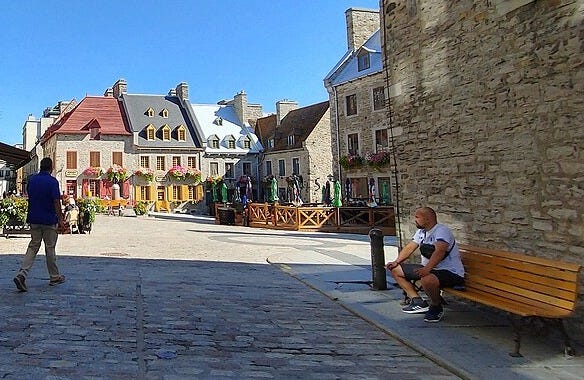
We arrived in the capital, Shasewentac, late at night. Our host (and guide!) was a lady by the name of Naguset. She is a proud Migmagean, born, raised, and still living in the Kjipesigitg Quarter of the city, just across from the Canadian border town of Nolain. This neighbourhood is the oldest in the city and is distinctly French in character, due to having started as a mission during the period of New France and later being part of a fortress built by the British. This means lots of grandiose stone houses in grey and cobbled streets.
Naguset is a retired diplomat who spent a lot of time in the Society of Nations headquarters in Katesh, so she was more than happy to help us in our humble diplomatic mission to help boost tourism in her homeland. Unlike most of our assignments, however, we did most of our work at the same time as enjoying the amazing hospitality of the Souriquois—all arranged by Naguset. “We do things a bit differently here!” she explained.
The next morning we barely had time for a piping mug of what is commonly called in this part of the world thé de coureur—black tea cut with quast, which reminded us of Rhimeland—before we headed to the massive park known as Membertu Memgeeg. It’s just outside the walls of the Historic District, located between Sapatis Espaqeg—known in English as Mount St-Baptiste—and the Lac des Nations, a small lake formed where the Mesanebesek River meets the St-Francois River. Here, the government had set up the annual autumn Mawiomi, a week-long meeting of not only all the Souriquois clans of the modern state Migmagee, but also those still living in the exclaves in Alberta and the Mi’kmaq tribes that live in Windmark and the Pescadores. It is equal parts national fair, spiritual retreat, and political wranglings.
This massive gathering allows people to network and reconnect, but also to relax and enjoy time with family before plunging into wintertime. As you can imagine, this is a time of feasting and engaging in traditions. I will not bore you with the details of the work we had to do, but needless to say, we did a lot of it after connecting with our local counterparts when they invited us to join them in sweat lodges, as is customary here in Indiana.
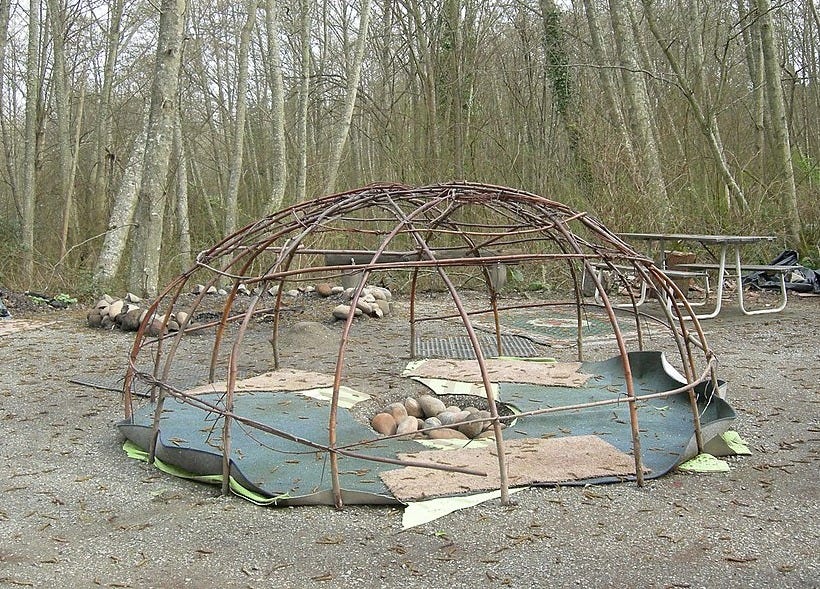
Sweat lodges range from the kind held in the traditional turtle-shell style wigwams, which we were able to experience during the Mawiomi, to smaller brick installations that can be found in any neighbourhood and village throughout the country. Traditional ones are more focused on spiritual pursuits, whilst more modern styles, still built in dome shapes, are more for socializing and connecting with colleagues, friends, and family. During the Mawiomi, these two functions merge, as the experience is both a spiritual and social one. All sweat lodges, however, start with the passing of a tobacco pipe, although as more and more people quit smoking around the world, this is no longer a strict requirement. By the end of the session, everyone feels cleansed, refreshed, more at peace, and well connected with their friends and community!
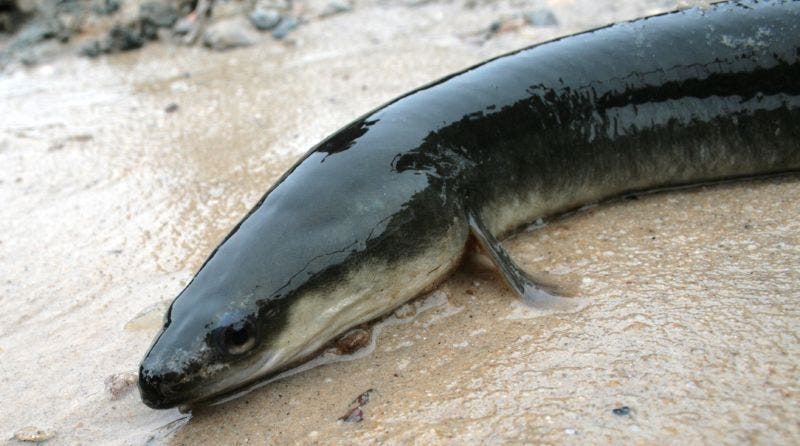
We spent the next couple of days taking in everything the Mawiomi had to offer. The cuisine incorporates seafood heavily—salmon, eels, and lobster, for instance—pointing to a time when the greater Souriquois nation used to control much of the Lower St. Lawrence River as well as much of the lands of modern day Alberta and its coastline. Katewapuul is the most representative dish by far, a stew of eel and wapato, thickened with ground hominy flour. This base includes meadow garlic and ramps–Allium canadense and Allium tricoccum–venison stock, and copious amounts of seasonal greens. Unlike that of most other Indianan nations, the cuisine in Migmagee remains significantly more conservative in palate and ingredients. For example, whilst chilis and Malagueta peppers are used aplenty by its more urbanized neighbours, Migmagee is known for flavouring dishes using herbs, fruit preserves, and copious amounts of local alliums. We also found it curious that the Souriquois here prefer to flavour their tea and quast here with fruit jams, largely abstain from the practice of consuming the beverages with tea, and reserve their maple syrup harvests for export or local medicinal purposes.
During our time at the Mawiomi, we also participated in games such as waltes, a local game of dice and strategy, and tug of war. We also got to watch a game of the ever popular sport of lacrosse. I must admit, waltes in particular is a lot harder than it looks! The game is played with disc-shaped bone dice which sit on a bowl. Players score points by flipping the dice by slamming down the bowl on a table, and keep track of them by using sticks. I got the honour of acting as a counter in one game, which is a very serious role, as it is very difficult to remember the different combinations of dice and how many points each result yields!
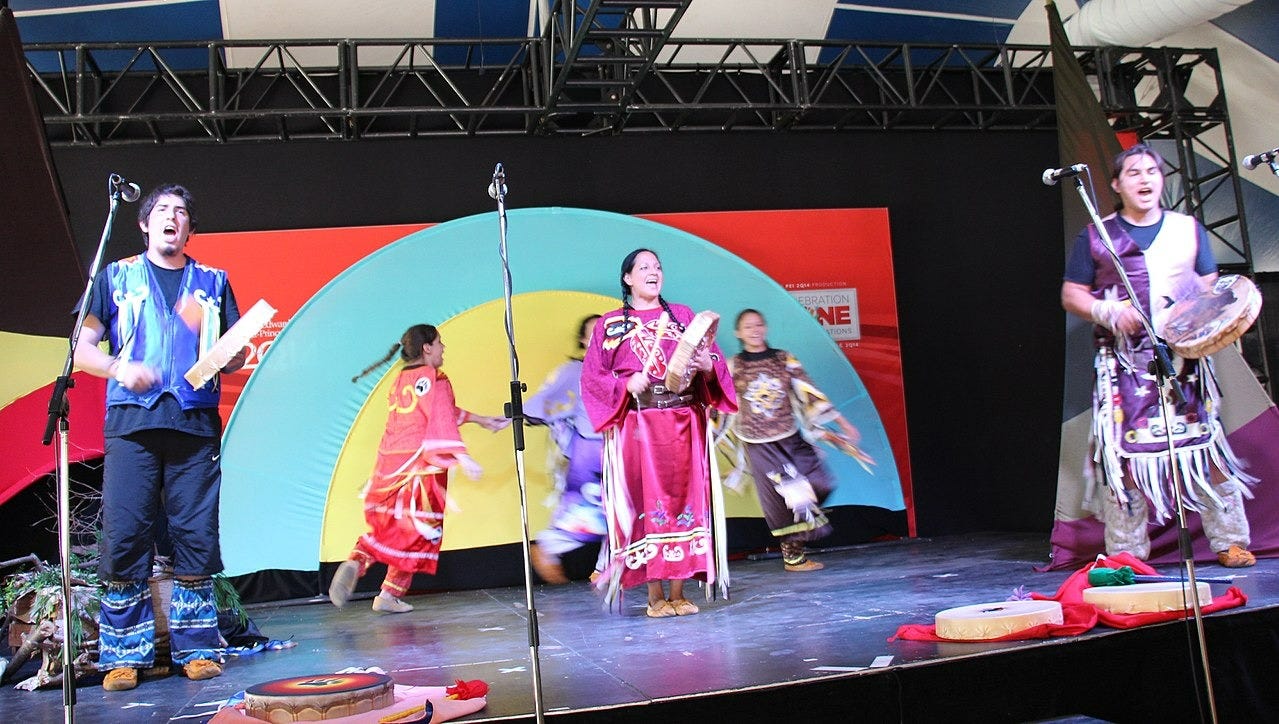
On our last evening, we also got to see an intimate performance of koojua, a genre of dancing and drum music, common to many Forefolk cultures across Septentrea. The people here, however, also blend it with fiddling, which they adopted from contact with settlers in Alberta and Canada. We then went to the closing concert, where various local and regional musicians came to perform both contemporary and traditional music and dance, which was closed out by the famous Mig-hop band Tarrantine.
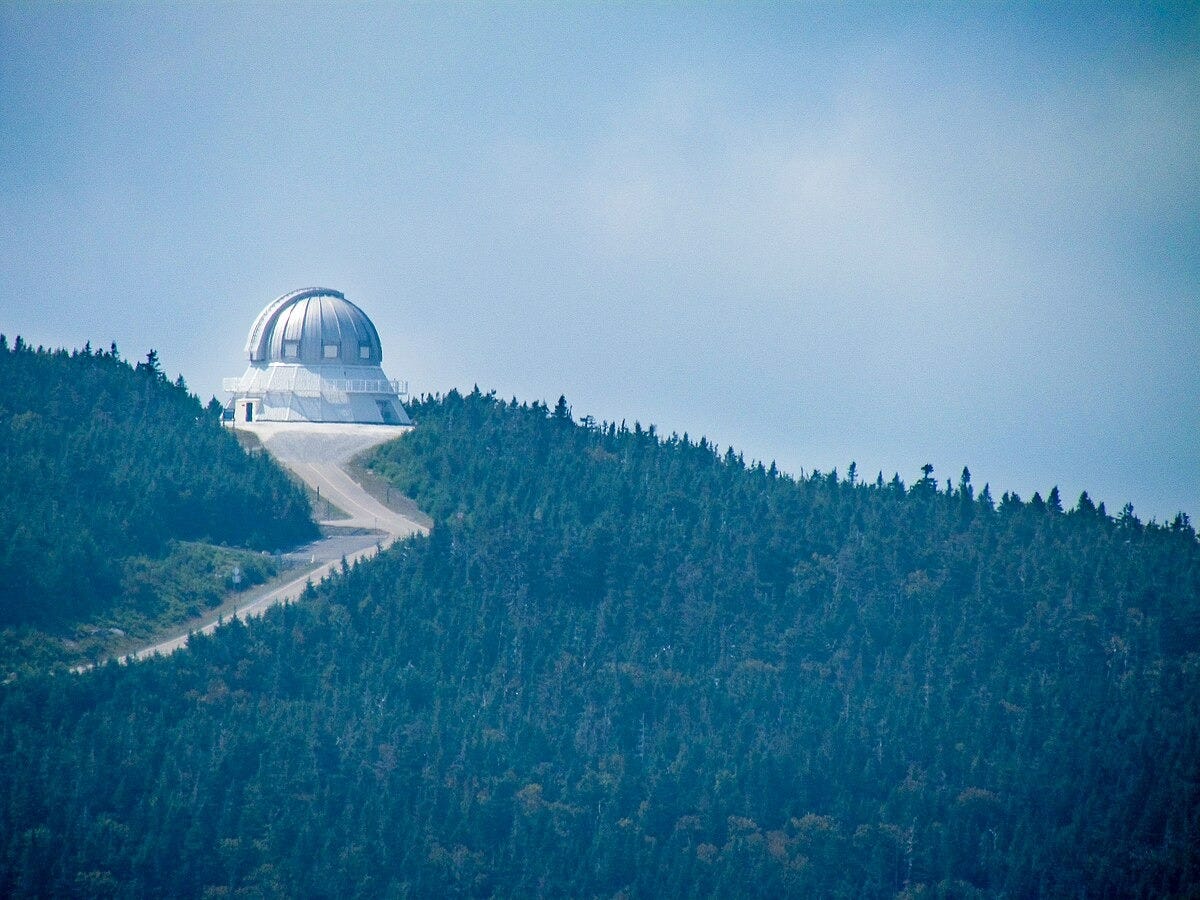
Once this lovely experience was over, we hit the beautiful backroads with Naguset in her car, enjoying the autumn foliage on the way east to our next destination, Mount Namesokandjik, a monadnock—an isolated mountain, rock hill—that hosts the Megantic Observatory. Megantic is a prime stargazing spot in the Hanunea region, and it is notable for having the first dark sky preserve in the world! The observatory is jointly financed and administered by the governments of America, Canada, Alberta, Migmagee, and Wabenakee, and has been used to discover hundreds of meteors and exoplanets.
We spent the night looking up at the night sky, but the cold weather chilled our bones. Naguset had the idea to set up our camp just a few minutes from the observatory in a sheltered grove in the woods, so we retreated to the campfire and sat around telling stories. Naguset recounted Migmageean folktales, which usually center around the figure of Glooscap, an ancient cultural hero we first heard about in the Pescadores. Traditionally he is credited with giving the Souriquois all sorts of innovations, from fire to canoes, and even the smoking of tobacco.
As we listened and shared back tales from our homelands in turn, we warmed our bones both with bottles of indohy, a fermented maize caurm that originated in nearby Wendakee, and with cups of artisanal brandy made with fortified frost wine, the kind of wine made from Weswegian grapes, Vitis vulpina, which still grows wild along riverbanks throughout most of Indiana. We paired this with leftover pastries of luskikn, maize bread with jam and venison, before turning off the fire and enjoying the views of the Milky Way. “This is what we call Skite’kmujuawti—the spirit road. My grandmother told me that’s the path our souls take when we pass,” Naguset told us. “It’s part of our religion. I guess that’s my last trip abroad! Talk about saving the best for last, eh?”
We chuckled and felt a little warmer inside, but then the cold came back knocking. We quickly made our way into the tent to avoid being cold a second longer. The sunrise the next day was glorious, and we packed our things and hit the road once more. “Just like that, hey?” Naguset said, as our car started the final descent down the mountainous road. “Just like that,” we said in unison, ready for our next destination, but also holding back a tender feeling…
FIELD NOTES
The national and prevailing language spoken in Migmagee is Souriquois, which is also the French-based exonym commonly used in English to generally refer to all the peoples that speak the language and lects recognized as its dialects or regional variations of it. Souriquois is part of the extensive Algic language family, and is the family’s easternmost lect. It is related to numerous lects spoken throughout Septentrea, from Armouchiquois in nearby Wabenakee all the way to Cree in Sascatchewa. As we learned last month, there are even speakers of a dialect of Souriquois in the Pescadores, who just refer to it as Mi’kmaq or Ktaqamkuk Mi’kmaq, named after Tamcook Isle in Souriquois. Souriquois is interestingly the source language from where we English speakers get the name for Tamcook Isle, from Ktaqmkuk, meaning “accross the water.”
Interestingly, the Mi’kmaq lect of Tamcook Isle uses the Latin script, whilst Standard Souriquois in Migmagee is written in the Morean script. The history of this alphabet is fascinating. You see it all across Indiana, yet most people do not know where it comes from. Folk history claims its origins lie either with the founder of Hadenosonee, Denagawida, or with the birch bark scrolls and hieroglyphs used by the Souriqouis and the Chepiquois of Anishnabee prior to contact with European colonists. Most linguists, however, trace the origin of the script to a Catholic philosopher from England, Sir Thomas More, the same one who wrote the infamous Utopia, which depicts a fictional island society. He seems to be one of the first modern conlangers known in popular history. It is theorized he took some inspiration from accounts that came from across the Atlantic, such as from the contemporary explorer John Cabot, and before long the script made its way back to Septentrea!

The flag of Migmagee is also quite interesting. One might mistake the cross to be a Christian symbol. Most Migmageans will tell you this is not the case, and the cross represents the sacred four directions of their religion, Orendaism, with the color red representing humanity. Its white background represents the purity of the pantheistic deity worshipped by the various denominations of Orendaism, known to outsiders as the Great Spirit, and the star and crescent represent the balance of day and night, just as the virtuous keep themselves in balance.
Regarding religion, Migmagee does have a significant Catholic minority—a quarter of the state identify as Catholic, and even those that are not of that faith often have Catholic-derived names. Take our guide for example, her full name is Naguset Battiste Kiwnik, with the middle name being a French-derived egnatonym, a family name passed down through the mother’s line. The last name is the name of her clan, the Kiwnik or Otter Clan. Interestingly, people here often trace lineage through this ancient genonym system, rather than through the newer family names, which are indications of either an ancestor who converted to Catholicism or a toponym from the old homelands in the east.
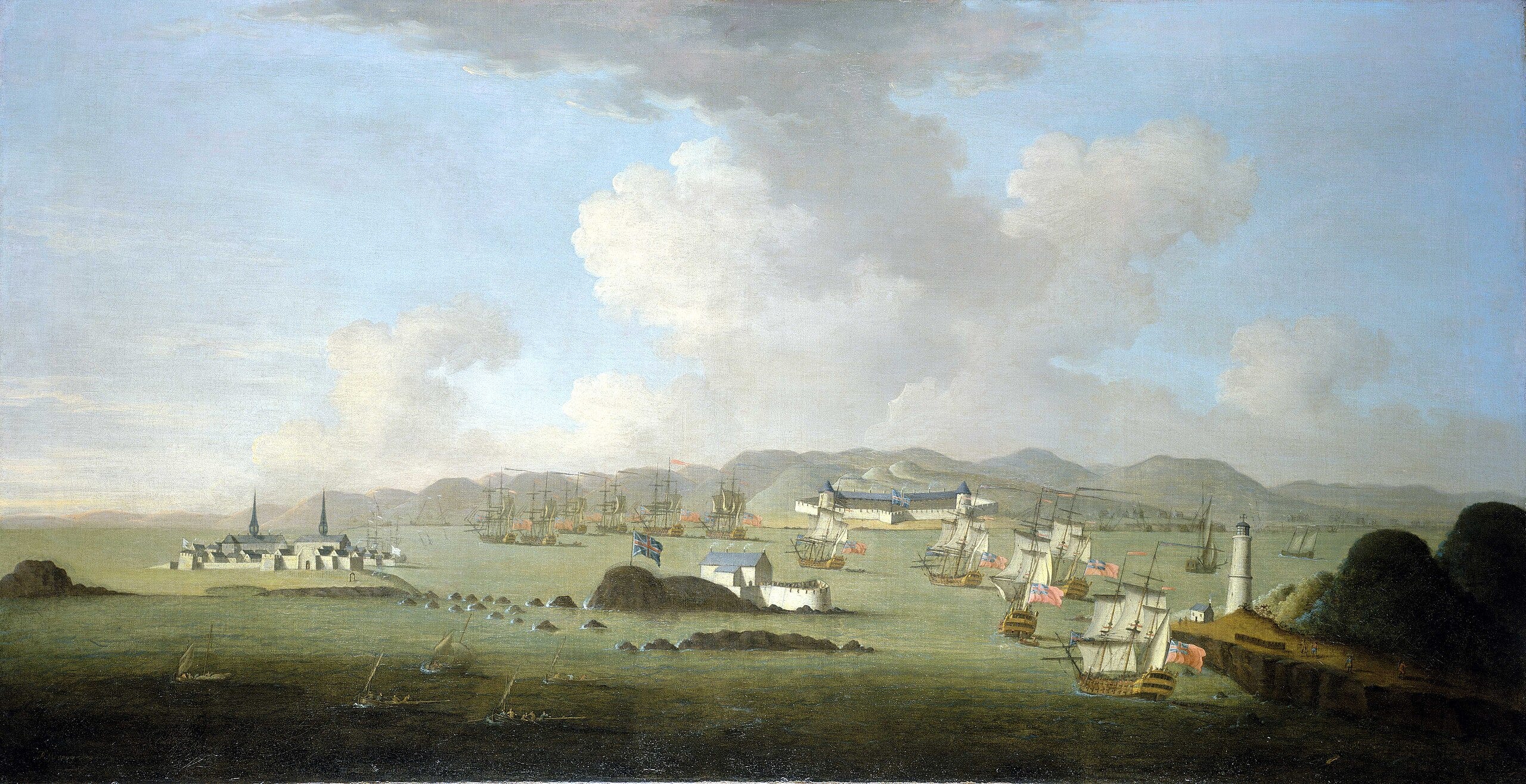
On the topic of history, we need to address why most Souriquois today live outside their old homeland. Much of their traditional lands and waters used to be in what is now Alberta, but during the Anglo-Souriquois Wars, many tribes chose to move west to New France, at the invitation of the French, and entrenched themselves in the mountains. Those that stayed accepted the Unequal Treaties of 1725 and 1752, resulting in small minorities of Souriquois also living in Alberta on what are known as First Nations Reserves.
Though New France fell to the British, the Souriquois in New France retained their autonomy for decades longer, until they were threatened by the new burgeoning power of America. After maintaining their neutrality during the Revolutionary War, the Souriquois in New France were able to negotiate a separate protectorate status under Britain, forming the territorial boundaries of modern-day Migmagee. Migmagee’s relative isolation due to its mountainous terrain and strong Catholic influences mean that fellow Algic Wabenakee and neighbouring Francophone Canada are its best friends to this day.
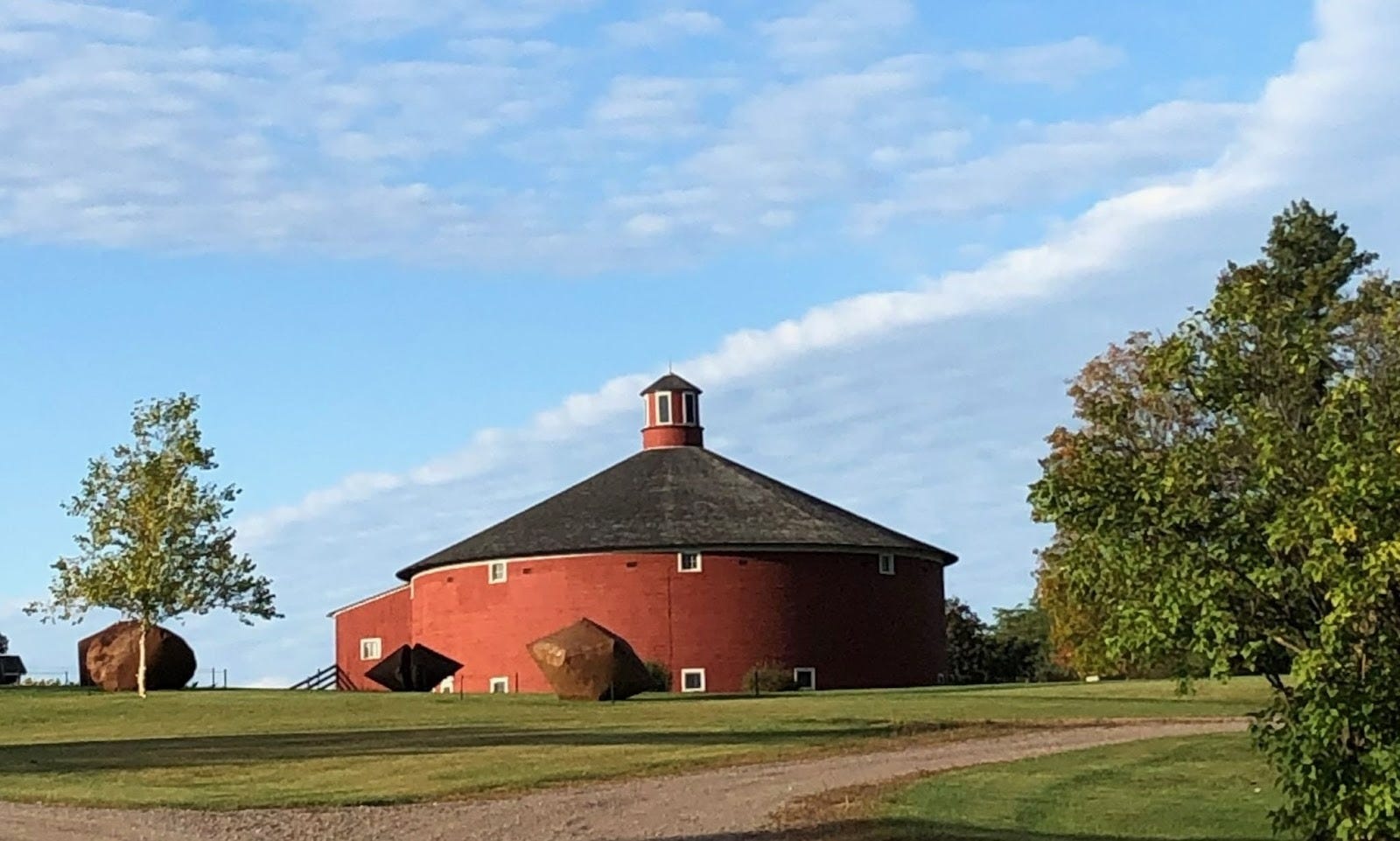
This closeness and history is why the old quarters of Shasewentac have such French-inspired or New French era architecture. In the rural areas, however, the country pulls more from the traditional wigwams of ages past, and rural farmhouses are built round with a combination of European and Indianan construction methods. Out in the countryside, people live with their extended families, and the top of the ceiling above the central living rooms of these homes have a chimney opening to provide ventilation.


_(4015394951).jpg)
.jpg)


Interestingly, despite no longer living out by the coast, you might have noticed that Migmageans retain their love for seafood. Dinner can also include landfowls like turkey, heatheons, and chicken; as well as venison from wild caribou. Migmageaens also love making bread and porridge from the flour of maize and manoomin, and pair it with other staples like wapato, haricots—commonly known in Septentrean English just as beans—squash, and butternuts. Though we did drink liquor when there, most people do not. Those of the Orendan faith generally follow a code of abstinence from alcohol, though what that entails seems to preclude lightly fermented beverages, such as indohy, which do have a small amount of alcohol.
The fashion of the Migmagee includes quite a mix of local and Western traditions. We noticed that, in formal situations, more traditional elements make an appearance. The women wear peaked hats with intricate designs, and the men wear an embroidered overcoat with a matching belt or sash. They pair this with Western style dresses, shirts, and trousers, as well as brimmed hats for men. More traditional clothes, however, are popular in ceremonial settings. In casual situations, the attire was more Western influenced, as is the case for other nations of Indiana, with denim jackets with local patterns being fashionable.